
-

Black River Mountain
Earthy, rich flavors, hint of ripe fig -

Camel's Breath
Rich - earthy & mushroomy -
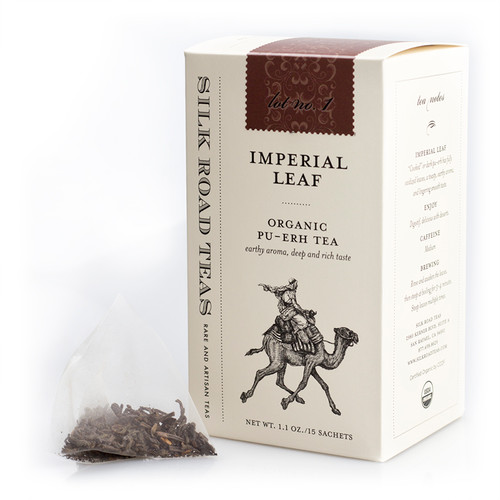

Imperial Leaf Organic Sachets
15 sachets/box -

Imperial Pu-erh
Smooth, offers hints of nuts and cocoa. -
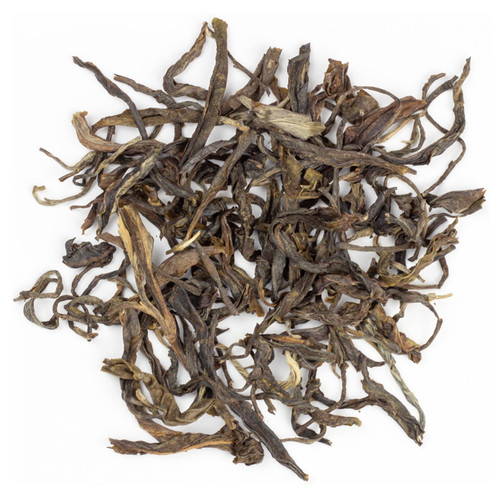
Mao Cha
Sun dried, floral sweet & biscuity flavors -

Pu-erh Tea Collection - Teas of the Silk Road
Explore the flavors of Pu-erh -

-

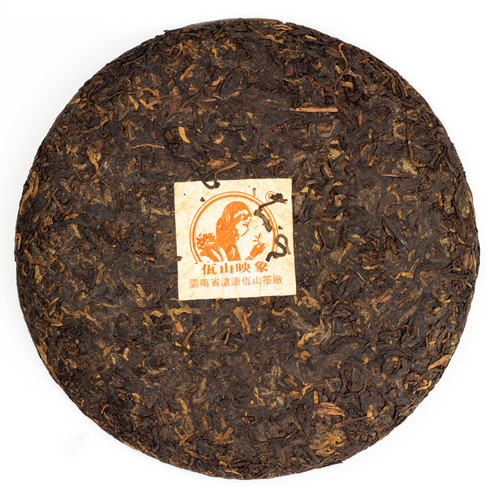
Raw "Sheng" Pu-erh Cake
Aroma of beet, mineral and malty sweetness -
 Currently
Out Of StockRipe "Shou" Pu-erh Cake
Earthy, sweet, hints of vanilla -

Small Leaf
Pu-erh, brews to a strong cup, think expresso with some nutty notes. -

Tuo Cha with Rose
Rose petals add a fruity note to the earthy Pu-erh.
Pu-erh Tea
A tea that has traveled with merchants and nomads for centuries, Pu-erhs are among the most complex and aged teas, enjoyed in a variety of styles and forms. We offer both Shou and Sheng Pu-erh in loose leaf, cakes, and nuggets. Our Pu-erhs are primarily grown in the Cangyuan area of Yunnan Province. Using organic and conventional farming practices, our ripe Shou Pu-erhs deliver earthy, malty, and mushroom-like flavors, while the raw Sheng styles steep to reveal herbaceous, malty, and floral notes.
